Ticket stubs and what cameras miss
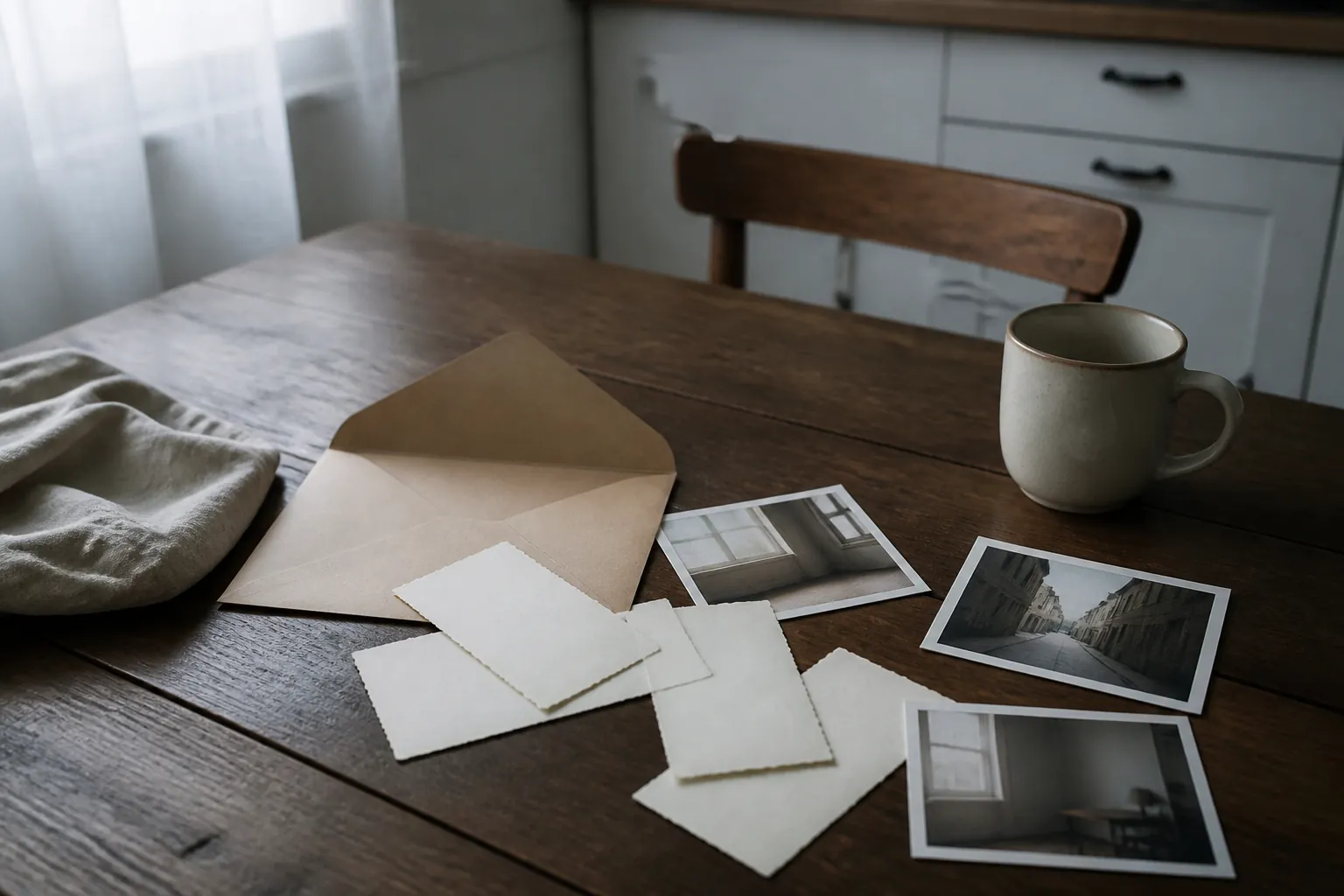
A photograph keeps the surface of a doorway. A stub keeps the hour you stood in line and the paper smell of the booth. Scraps are not decoration. They are the part of the day a lens refuses to hold. The work is knowing which pieces earn a place in the envelope and which ones are only weight.
What the camera finishes, and what it never starts
Most travelers trust the gallery. The frames look complete: color, angle, a person in a doorway. Months later the same gallery feels thin. You remember the door and forget the wait, the voice that sold the ticket, the reason you chose that train. The file did its job. It was never asked to hold sound, paper stock, or the small delay that made the afternoon distinct.
A stub is clumsy and specific. It names a time, a route code, sometimes a seat. Even when the print fades, the size of the paper and the tear along the edge reopen the booth. That is enough. You do not need a paragraph explaining the booth if the stub is still in the envelope.
Scraps worth carrying
Not every piece of paper deserves a pocket. Collecting everything turns the envelope into trash. Collecting nothing leaves you with identical doorways. Use a short filter before you keep a scrap.
- Keep tickets that mark a change of place or a long wait, not every short hop.
- Keep lodging cards if the handwriting or stamp is unique to that stay.
- Keep a torn map corner only if you actually used it to decide a turn.
- Skip receipts that only prove a purchase and hold no sensory detail.
One object a day is a useful ceiling on walking routes. On train days you may gather two. If the envelope starts to bulge, you are saving paper instead of days. Thin the stack before the next morning.
The best scrap is the one that embarrasses a clean photograph: too ordinary to frame, too exact to invent later.
How to pair stubs with pictures without making a project
Pairing is a evening task of a few minutes, not a design session. When you write your short note, drop the day’s stub into the envelope and, if you took photographs, leave one sentence the camera missed. Do not caption every frame. Do not build a scrapbook on the road. The road version is crude on purpose.
- At night, place the stub on the notebook while you write four lines.
- If you made photographs, add one line about what sat outside the frame.
- Seal both into the envelope before sleep so they share a date by habit, not by memory.
- At home, open the envelope before you edit the gallery so paper leads and pixels follow.
Ethics of taking paper
Take waste paper, not someone else’s keepsake. A discarded ticket and a map you paid for are fair. A card from a private table, a child’s drawing, or a stone from a garden are not. If a host hands you something to keep, ask whether it is meant for you or for the next guest. The envelope method works with scraps that were already leaving the room.
Photographs of faces still need a yes. Buildings, tables, weather, and your own hand holding a stub are enough for most days. The stub is not a license to collect people.
When paper fails
Rain, laundry, and shared bags destroy thin tickets. Carry the envelope in a zip pouch. If a stub dissolves, write its time and place into the evening note while you still remember. The note then becomes the scrap. Voice memos can back up the same detail on moving days when your hands are full.
Digital tickets are harder to keep as objects. If the journey lives only on a screen, screenshot the boarding panel once and print or write the essential line into the notebook that night. The goal is a durable trace, not a museum of paper for its own sake.
Cameras will keep getting better at surfaces. They will not start remembering the booth smell for you. A small envelope still does that work if you feed it on purpose. If you want help choosing what to pack for the record on your next route, write to us through the contact page with the shape of your days.