
What belongs on the page
Not the itinerary. A remark you overheard, a smell in a stairwell, the color of a ticket stock, the sentence you almost said and did not. Those fragments rebuild the day; a list of stops does not.
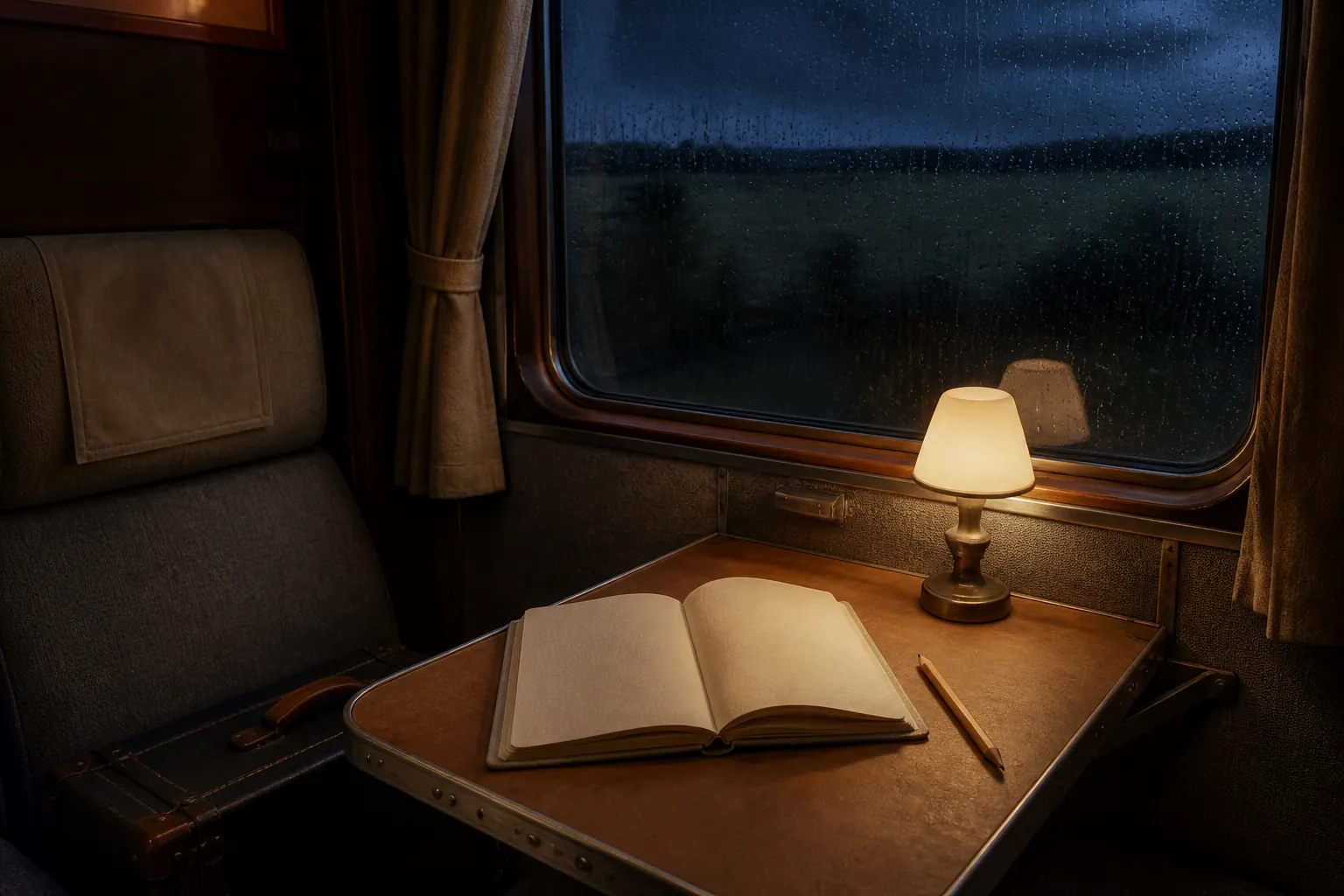
Memory keeps the first day. The rest needs a method that can survive the road.
We treat keeping a record as its own part of travel, not a hobby to start after unpacking. A camera holds the frame. It does not hold the talk in the hallway, the smell on the stairs, or why one ordinary afternoon became the one you still want back. javalith turns that gap into a small, repeatable practice and into consultations for the next trip.
Learn More
Why the trip thins out
Memory is generous on day one and thrifty after that. The first market, the first wrong turn, the first meal eaten standing up: those stay sharp. By the middle of a route, streets begin to share a palette, and the mind files them as one place. A year later four towns can become a single composite with a handful of pictures attached.
Photographs make this worse in a quiet way. You remember what you framed and lose what sat just outside it: the voice of the person who handed you the key, the sound of a radio from a courtyard, the reason you chose that bench. The file looks complete. The day is not.
The practical answer is not a prettier diary. It is a short record made while the day can still be told apart from the one before it. We help travelers notice where their own memory starts to glue days together, and what to capture before that happens.
A record that can travel
Most travel diaries fail because they ask for a report. We ask for a few lines, a sound, an object, and a moment that has not yet been postponed.
Not the itinerary. A remark you overheard, a smell in a stairwell, the color of a ticket stock, the sentence you almost said and did not. Those fragments rebuild the day; a list of stops does not.
Five minutes before sleep beats an hour promised for later. “I will write it at home” almost never happens. The day is still separable in the evening. After laundry and mail, it is not.
A stub, a napkin map, a lodging card, a leaf pressed in a book: these return a whole afternoon faster than a polished paragraph. They are light, they survive pockets, and they do not demand a literary mood.
The lens keeps surfaces. A line of text keeps the part you cannot point a camera at. Used together they stop a gallery from becoming a stack of similar doorways with no voice attached.
Scale we can stand behind
These figures come from our own field notes and from trip-prep consultations, not from a platform we do not operate. They describe volume and habit, not a promised outcome.
The three of us have kept evening records on our own routes since we began working together, so advice is tested on the road before it is written up.
One-to-one sessions to choose a note format, a packing list for paper, and a return-week plan before departure.
The length we recommend when energy is low. It is short enough to finish in a bunk or a waiting room and long enough to reopen the day later.
The span we treat as still part of the trip. After that, errands take the table and unlabeled envelopes stay closed.
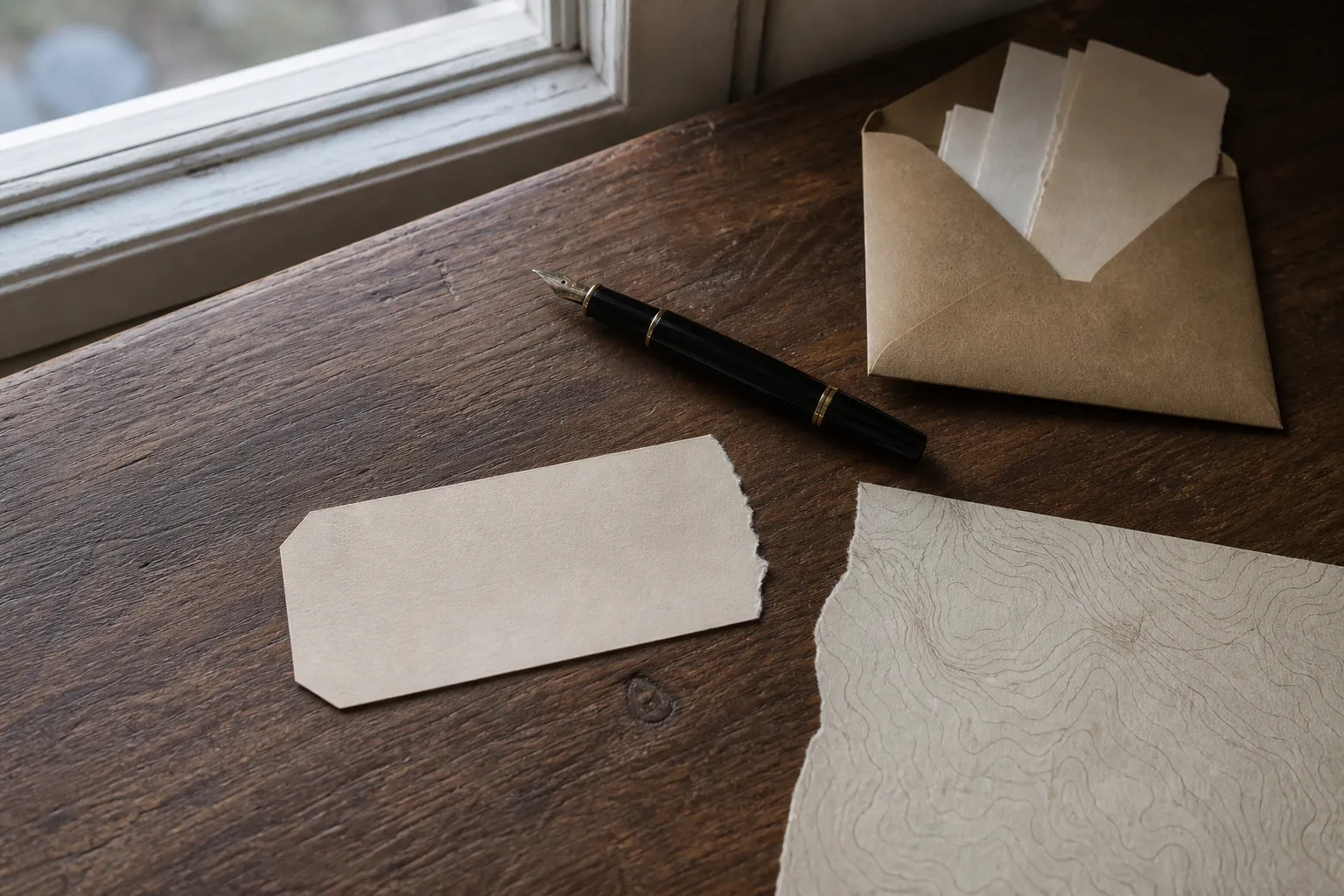
After the last day
A diary that tries to be beautiful usually ends on the third night. People set a standard they would not keep at home, then feel they have failed and stop. We start with a volume so small it can be done tired: a voice memo on a walk, four lines in a cheap notebook, one object dropped into an envelope.
The format has to match the route. A paper book survives rain better than people expect if it lives in a zip bag. A voice note is faster on a moving train. A pin on an offline map helps when streets share a name. We help you pick one primary method and one backup, not a stack of apps that will be ignored.
Home is where records die if they are left in a bag. In the first week we sort photographs against notes, label the envelope, and reread once while the weather of the trip is still in the body. That rereading is not nostalgia as a product. It is how the next route gets built from what you actually liked, not from a list of famous stops.
For a first attempt, we suggest a weekend-length trip and a single notebook, not a year-long project. If the habit holds for three evenings, it can hold for three weeks. If it does not, the format is wrong, not the traveler.
Who you talk with
Consultations are personal. You work with one of us, not with a dashboard. Each profile is a working specialty inside the same practice.
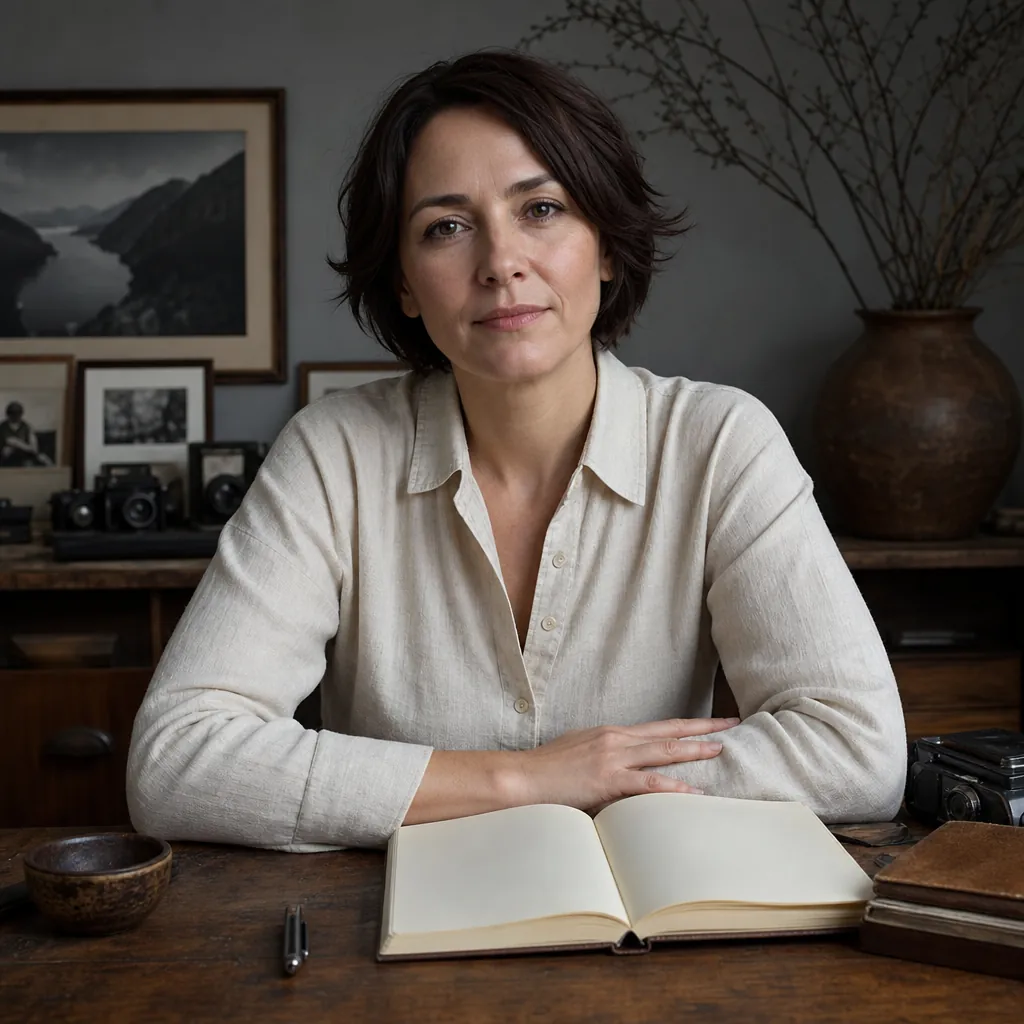
Field Memory Advisor
Certificate in Observational Travel Practice, Westbrook Institute of Field Study
Elena studies how days collapse into each other on multi-stop routes. She helps clients name the moment in their own itinerary when notes should start, usually earlier than they expect.

Route Documentation Consultant
Diploma in Travel Narrative Methods, Harbor and Ridge Education
Marcus tests formats on moving trains, shared vans, and long walks. He matches a notebook, a voice memo, or a paper envelope to the kind of days a person actually has, not the kind they wish they had.
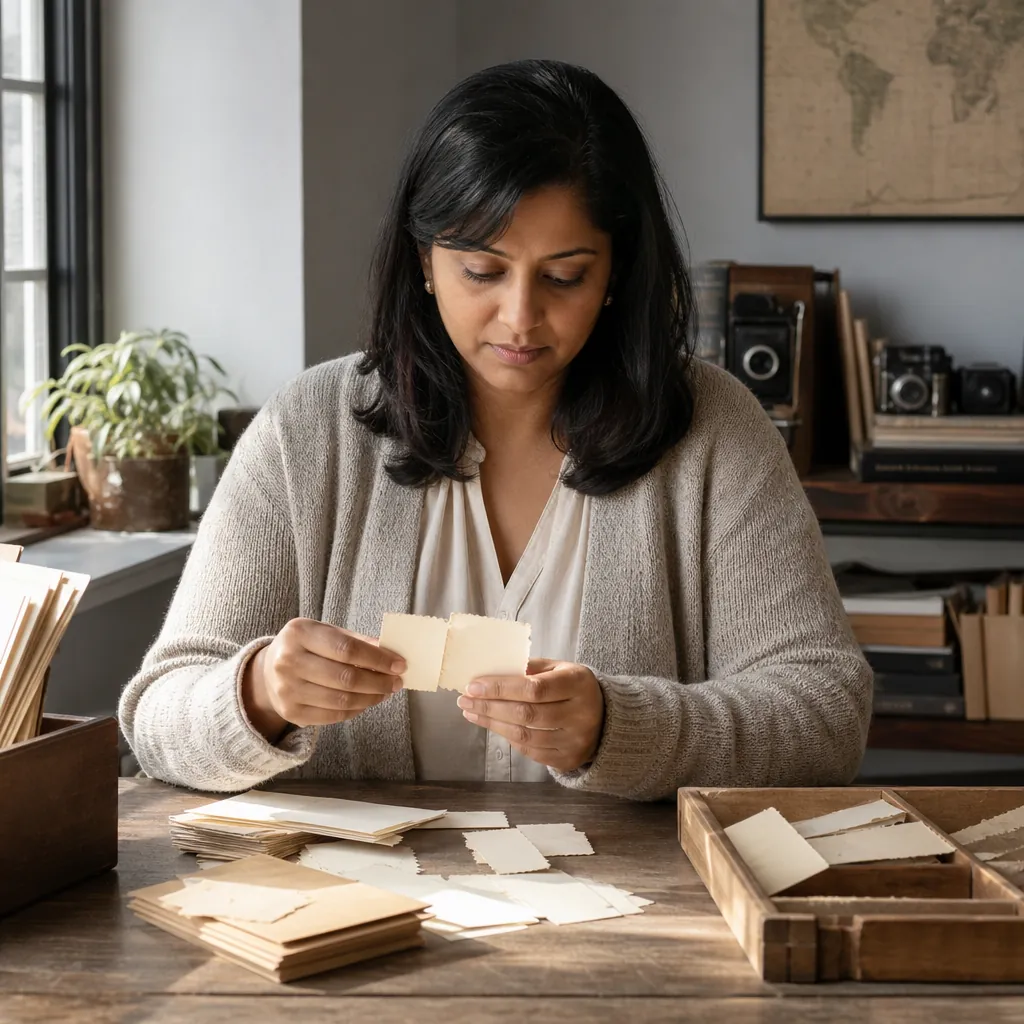
Return-Week Specialist
Certificate in Post-Trip Review Design, Northline Travel Faculty
Priya designs the first seven days after arrival home: how to pair pictures with notes, what to label, and when to reread before the next plan is made. She also works with families who travel with children.
From people who tried the method
A consultation is a working conversation: which format will survive your days, what to write on the first evening, and how to use the week after you return. No account to create and no tool to log into. If that is useful, write to us.
Request a Consultationjavalith exists to keep a trip from collapsing into identical pictures. We teach a small set of habits the team uses on the road, and we prepare people for the next journey one conversation at a time.
javalith publishes materials meant to introduce our consulting work on trip memory: how notes, objects, and a return-week sequence can help a journey remain distinct after you are home. The pages describe methods and limits. They are not a booking engine, a guided tour, or a substitute for local information you still need to confirm yourself.
Places change between visits. Opening hours shift, streets are rebuilt, lodging rules are rewritten, and a path that was quiet last year may not be quiet now. Anything named in an article should be checked again with the people who run the place before you rely on it.
Travel decisions stay with you. Weather, documents, health, insurance, and logistics are outside what a page of notes can settle. We recommend speaking with relevant specialists when a trip involves those questions, and treating our guides as a starting point for your own record, not as instructions that fit every route.