
About the practice
We started because a finished album still felt empty
javalith is a small consulting studio in Arlington. We help people design a record that can survive the road: what to write, when to write it, which objects to keep, and how to use the first week home. This page is the working history of that method, not a catalogue of destinations.
Where the work began
A trip can be complete in the files and missing in the mind
The studio did not begin as a publishing plan. It began after a long route that looked successful on a screen and felt strangely thin a season later. The photographs were sharp. The days were not. Four towns had merged into one composite street, and the conversations that had made the week worth taking were nowhere in the folder.
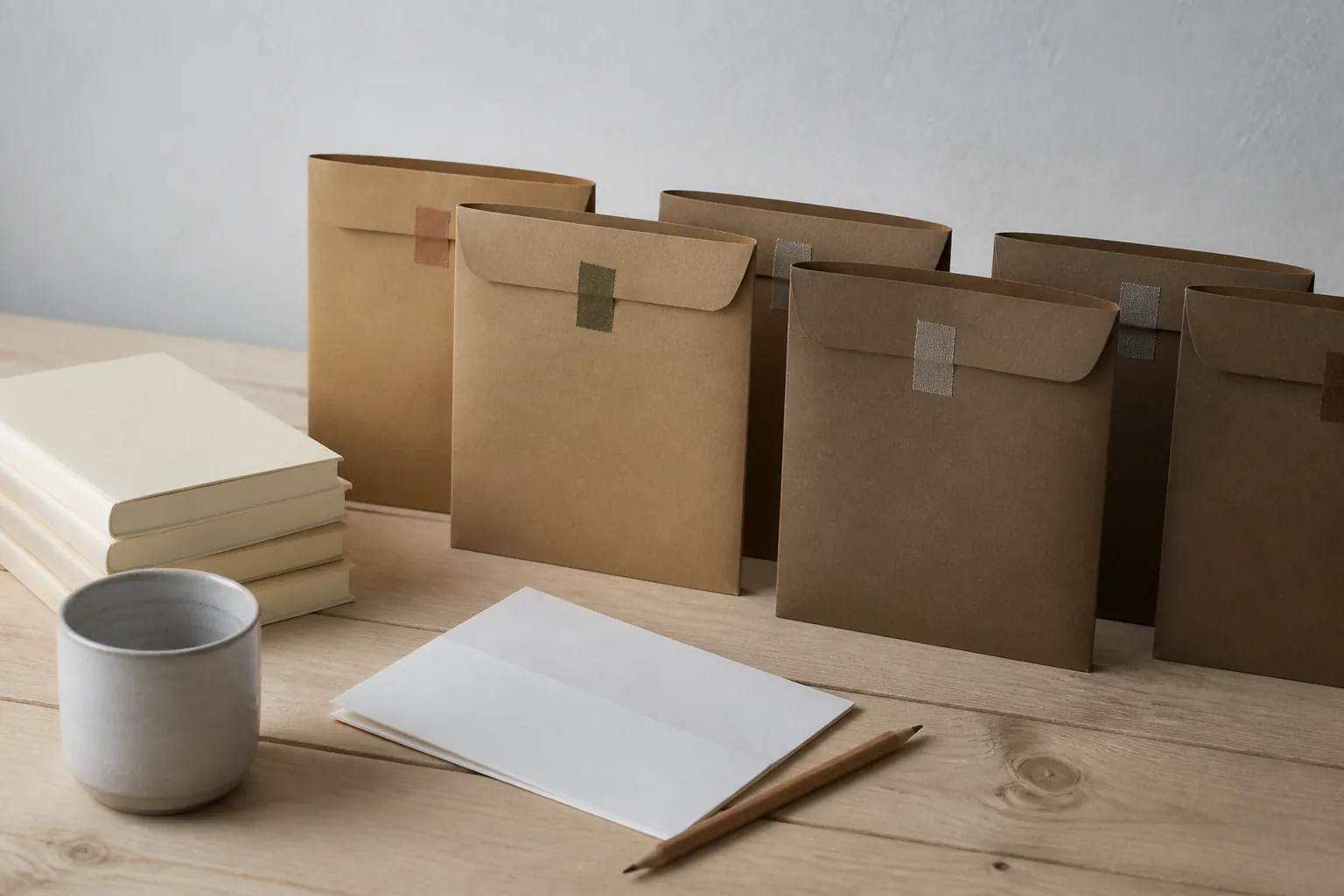
We compared notes the three of us had kept on later journeys. The records that still opened a day were almost never the long ones. They were short, written before sleep, and often paired with a scrap that had no artistic value: a ticket, a lodging card, a corner torn from a map. The camera had done its job. It had not been asked to do the rest.
From that comparison a question held: could the same small method be prepared in advance, the way a packing list is prepared, instead of being invented on night three when energy is already gone? That question is the origin of the consultations we now offer.
We did not choose this work because travel writing needed another voice. We chose it because memory is poorly matched to a multi-stop route. It keeps the unusual and the first instance. It files the rest under a single heading. Anyone who has come home with a full card and a faint week already knows this. We wanted a practice that treated that fading as a design problem, not as a failure of character.
The office in Arlington is where the method is written down, not where the trips happen. Field tests happen on ordinary routes: trains, shared vans, walking days, family weekends. If a format cannot be finished tired, it does not enter a consultation. That rule has removed more ideas than it has kept.
The bag on the floor is not the end of the trip. It is the start of the week that decides whether the days remain separate.
How a page gets out the door
We publish only what we can stand beside without a disclaimer in every sentence
A guide on this site starts as a field note, not as a headline. Someone on the team has used the method on a real route, then written what failed as well as what held. We do not rewrite a hard evening into a lesson that sounds smoother than the day was.
Before a piece is linked from the articles page, a second person reads it against three checks. Does it ask the reader to do something that requires a tool we do not provide? Does it name a place as if the hours and rules were fixed? Does it repeat a claim we cannot trace to a notebook or a consultation? If the answer to any of those is yes, the draft stays in the folder.
We also watch for a tone we refuse: the suggestion that a person who did not keep notes has wasted a journey. Plenty of trips are remembered well without our method. We write for people who already notice the fade and want a smaller, sturdier habit, not for people who need to be converted.
Updates happen when a format we recommended starts to fail in the field. Paper that bled in rain, a voice memo that could not be found among a hundred others, a return-week plan that assumed a free table: those corrections go back into the article. We would rather show a limit than protect an older sentence.
From first letter to a written plan
A consultation is a sequence, not a vague conversation
You do not receive access to software. You receive a short written plan for one upcoming route, built with one of us, then used by you. The steps below are the same whether the trip is a weekend or a longer stretch of days.
-
The opening note
You write to us with the shape of the days: moving or staying put, traveling alone or with others, how much quiet you expect in the evenings. We do not need a full itinerary. We need the texture of the hours, because that is what decides whether a notebook, a voice memo, or an envelope of scraps will actually be used.
-
A format trial
We match one primary method and one backup to those hours. If you already abandon paper, we do not prescribe a leather journal. If you dislike speaking into a device, we do not make voice the center. The trial is often a single evening of practice at home before you leave, so the first night on the road is not the first attempt.
-
The prep sheet
You receive a short written plan: what to pack for the record, what to write on night one, what to ignore, and where the method should get simpler if the days get harder. It is a page you can fold, not a workbook. If the sheet cannot be followed tired, we rewrite it.
-
The week after
Before you go, we also set the first days home: when to empty the envelope, how to sit photographs next to notes, and when to reread once while the trip is still in the body. That calendar is part of the plan, not an afterthought you are expected to invent at the kitchen table.
How a guest who records should behave
A note can keep a day without taking something that was not offered
Keeping a record is not a license to collect people. The principles below are the ones we use on our own routes and the ones we ask clients to accept before a consultation begins.
- Ask before a person becomes a sentence
- If a host, a driver, or a fellow traveler is going to appear in a note you might later read aloud or publish, ask while you are still in the room. A remark overheard on stairs can stay in a private notebook. A named person cannot. We treat that line as practical, not decorative.
- Take scraps, not souvenirs that still belong
- A discarded ticket and a map you paid for are fair. A stone from a garden, a card from a private table, or an object a child was using are not. The envelope method works with waste paper. It does not need trophies.
- Photographs of faces need a yes
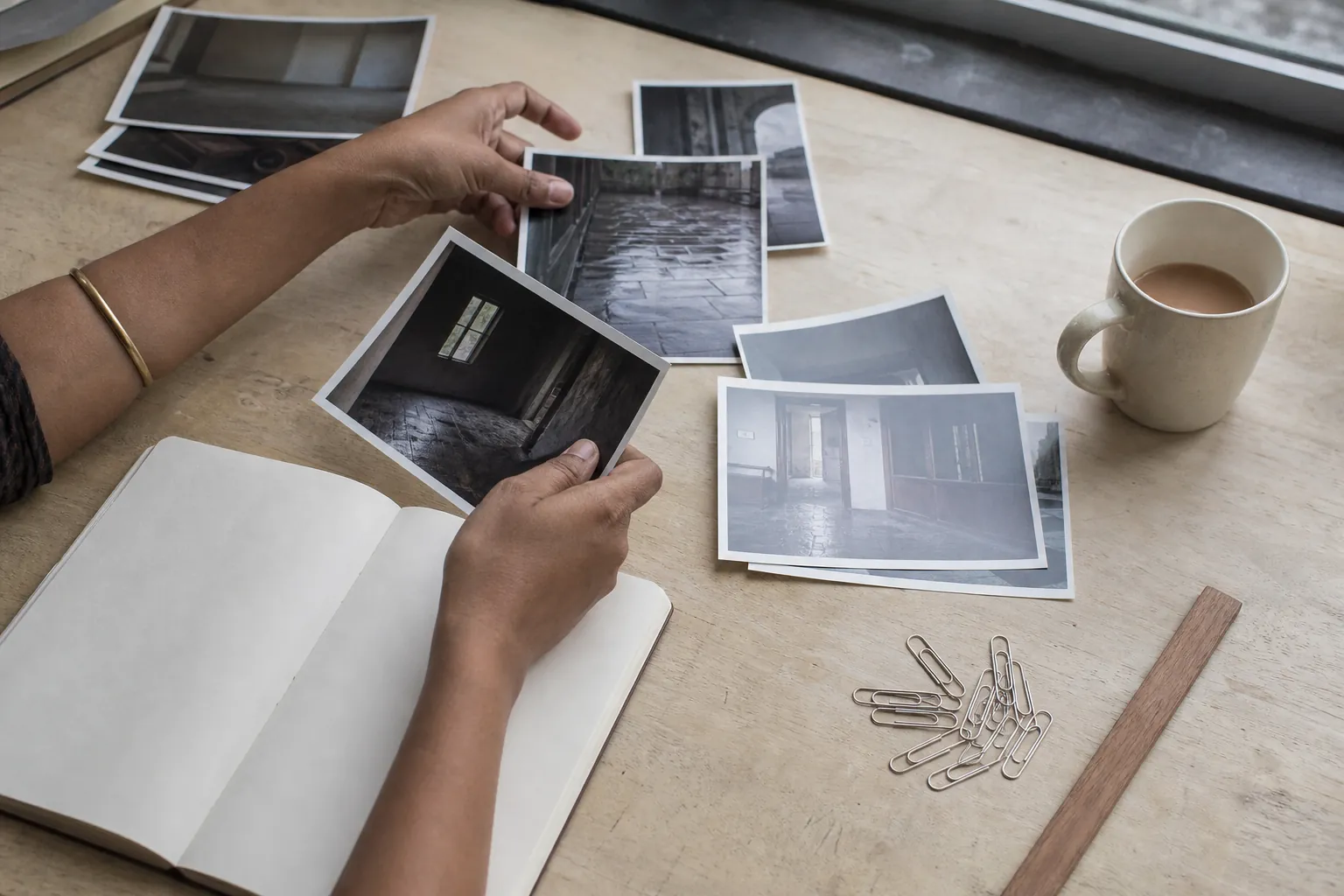
- Pairing notes with pictures does not require photographing strangers. Buildings, tables, weather, and your own hands holding a ticket are enough. If a person is in the frame and recognizable, we ask. If asking would make the moment worse, we put the camera down.
- The place is not a backdrop for the writer
- A record that only describes how the traveler felt, and never how the room actually was, will not reopen the day later. It also treats the people who keep the place as scenery. We write both: the inner detail and the outer one, and we leave room for the fact that the outer one will change.

Who we work beside
Partners are chosen for a craft we can inspect, not for a logo on a page
javalith stays small on purpose. When we name a partner, it is because we have used their work in the field or sat in their rooms and asked how they teach. We do not list names to look larger than we are. The groups below are the ones currently in that circle.
We look for three things. First, they keep some form of record themselves, so the conversation is not one-directional. Second, they will say when a method failed. Third, they do not ask us to hide limits in order to sound more certain. If a partner starts selling a promise we would not put on this site, the collaboration ends.
- Westbrook Institute of Field Study A teaching studio whose observational courses shaped Elena Voss’s early method. We still send drafts there when a piece leans too hard on memory science we cannot defend from our own notebooks.
- Harbor and Ridge Education A narrative-methods workshop that tests spoken records against paper ones. Marcus Hale still uses their format trials when a client is choosing between a voice memo and a cheap notebook.
- Northline Travel Faculty A post-trip review group that helped Priya Langford design the seven-day window. Their readers mark where a return plan assumes more time than a working household actually has.
- Ashmere Paperworks A small bindery that makes sewn notebooks meant for damp bags, not for display. We pack their thinnest books on walking days because the binding survives a zip pouch.
If a coming route needs a record plan, write to us
Tell us the shape of the days and which of us you would rather work with. A consultation stays on paper and in conversation. There is nothing to install and no account to open.
Contact UsField notes we have already been willing to sign
The articles page holds longer pieces on evening notes, objects, the week after return, and the point where most notebooks are abandoned. Each one has been through the editorial checks on this page.
Learn MoreHow to read this site
javalith publishes materials meant to introduce our consulting work on trip memory: how notes, objects, and a return-week sequence can help a journey remain distinct after you are home. The pages describe methods and limits. They are not a booking engine, a guided tour, or a substitute for local information you still need to confirm yourself.
Places change between visits. Opening hours shift, streets are rebuilt, lodging rules are rewritten, and a path that was quiet last year may not be quiet now. Anything named in an article should be checked again with the people who run the place before you rely on it.
Travel decisions stay with you. Weather, documents, health, insurance, and logistics are outside what a page of notes can settle. We recommend speaking with relevant specialists when a trip involves those questions, and treating our guides as a starting point for your own record, not as instructions that fit every route.
- We provide knowledge about keeping a usable record of a trip and offer consultations on that practice.
- We do not operate a platform, an app, or a booking service on this site.
- Readers remain responsible for their own plans, timing, and on-the-ground choices.
- Details about places should be verified again shortly before departure.